

Internal linking is one of the simplest ways to improve SEO, yet it is often overlooked. Many websites focus on creating new content but fail to connect existing pages in a way that search engines can fully understand.
At its core, internal linking helps define the structure of your website. It shows search engines which pages are important, how topics are related, and where authority should flow. Without it, even strong content can struggle to rank.
Internal links also shape how users experience your site. They guide visitors from one page to the next, help them find relevant information faster, and encourage deeper engagement.
In this guide, you will learn what internal linking is, why it matters for SEO, and how to build a clear, effective linking structure that supports both rankings and user experience.
Key Takeaways
- Internal linking improves SEO by helping search engines understand site structure and distribute link equity
- A strong strategy uses a pillar and cluster model to organise content and build topical authority
- Prioritise linking to high-value pages to improve their visibility and rankings
- Use clear anchor text and contextual links to strengthen relevance and guide users effectively

What Is Internal Linking?
Internal linking is the process of linking one page on your website to another page on the same domain.
These links help search engines discover your content and understand how different pages are related. They also signal which pages are more important based on how often they are linked to.
For users, internal links act as guided pathways. Instead of leaving your site to find more information, visitors can navigate to relevant pages that expand on the topic they are already reading.
For example, a blog post about “SEO basics” might link to a page about “keyword research” or a service page for “SEO consulting.” These connections help both users and search engines move through your content more effectively.
In simple terms, internal linking turns individual pages into a connected system rather than isolated pieces of content.
Why Internal Linking Matters for SEO and GEO
Internal linking is not just a structural detail. It directly influences how search engines crawl, interpret, and rank your website, making it a key part of effective search engine optimisation (SEO) and generative engine optimisation (GEO).
Helps Search Engines Discover Your Pages
Search engines use links to find content. If a page is not linked internally, it may be harder to discover and index. Strong internal linking ensures your important pages are consistently found and revisited.
Distributes Link Equity Across Your Site
Link equity (sometimes referred to as “link juice”) is the value passed from one page to another through links. Pages with more internal links pointing to them are often seen as more important. For example, linking from a high-authority page (like your homepage) to a service page can help improve that page’s visibility in search results.
Defines Your Site Structure and Hierarchy
Internal links show how your content is organised. They help search engines understand which pages are primary topics and which are supporting content. A clear structure makes it easier for search engines to interpret your site and rank it accordingly.
Strengthens Topical Authority
When multiple pages on your site are connected around a single topic, it signals depth and expertise. This improves your chances of ranking for related keywords.
Improves User Experience and Engagement
Internal links guide users to relevant content, helping them find answers faster. This increases time on site, reduces bounce rates, and encourages deeper exploration.
How to Structure Internal Links for SEO and GEO
A strong internal linking strategy starts with a clear and intentional site structure. Without it, links become random and less effective.
Use a Pillar and Cluster Model
One of the most effective ways to structure internal links is through a pillar and cluster approach.
- Pillar pages cover a broad topic at a high level
- Cluster pages explore specific subtopics in more detail
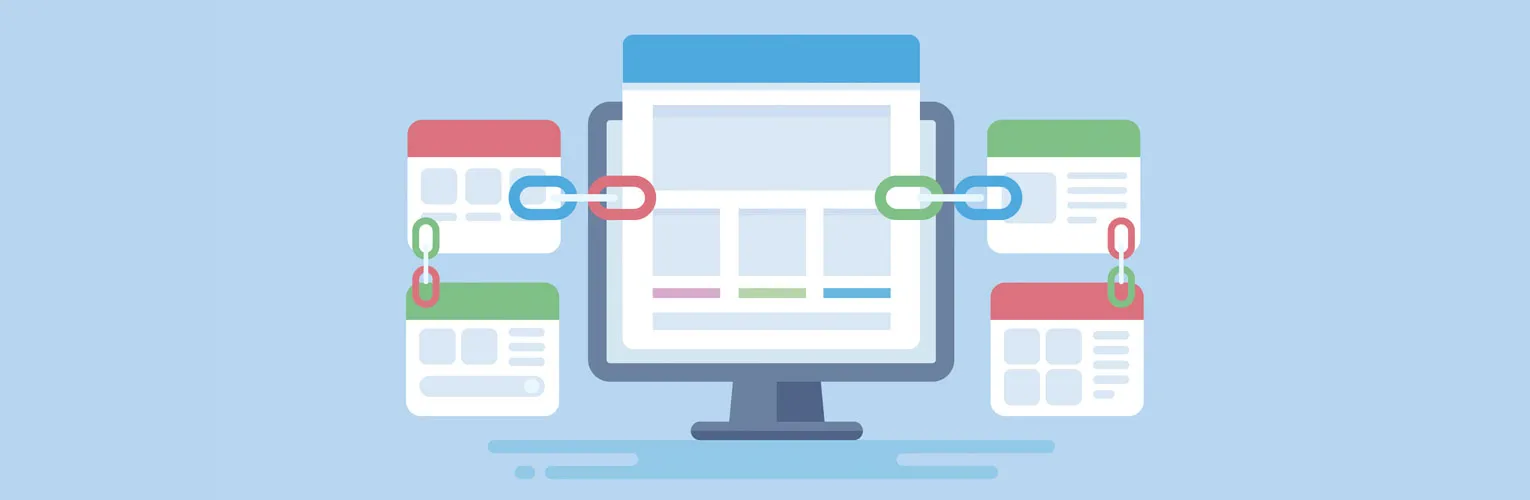
Each cluster page should link back to the pillar page, and the pillar page should link out to all relevant cluster pages. This creates a clear structure that helps search engines understand the relationship between your content and identify which pages are most important.
Prioritise Your Most Important Pages
Not all pages should receive the same number of internal links. Pages that drive business results—such as service or product pages—should receive more internal links. This signals their importance to search engines and helps improve their visibility.
A simple rule: The more strategically a page is linked, the more important it appears.
Avoid Orphan Pages
Orphan pages are pages that have no internal links pointing to them. These pages are difficult for search engines to find and often do not perform well in search results. Every important page on your site should be linked from at least one other page.
Keep Your Structure Shallow and Accessible
Users and search engines should be able to reach important pages within a few clicks. If key pages are buried too deep in your site, they are less likely to be discovered or prioritised. Aim for a structure where:
- Important pages are no more than 2–3 clicks from the homepage
- Related content is grouped logically
Link Contextually Within Your Content
Contextual links—links placed naturally within your content—are the most valuable. They provide strong relevance signals and improve user experience.
While buttons and navigation links help guide users, they typically carry less contextual relevance, so they should support—not replace—your in-content links.
What Are the Anchor Text Best Practices?
Anchor text is the clickable text in a hyperlink. It helps both users and search engines understand what the linked page is about. When used correctly, it improves clarity, relevance, and overall SEO performance.
Use Descriptive and Specific Phrases
Anchor text should clearly describe the destination page.
- Good example: “internal linking strategy”
- Weak example: “click here”
Descriptive phrases provide context and set clear expectations for users.
Match Intent, Not Just Keywords
Focus on matching the intent of the page you are linking to instead of forcing exact keywords.
For example: “learn how to structure internal links” or “guide to improving site structure” both sound natural while reinforcing relevance.
Keep Anchor Text Natural Within the Sentence
Anchor text should flow smoothly as part of the content. Avoid awkward phrasing or overly long keyword-heavy links. Well-integrated links improve readability and user experience.
Avoid Over-Optimisation
Using the same keyword repeatedly as anchor text can feel unnatural and reduce SEO effectiveness. Instead, vary your phrasing while keeping it relevant.
Avoid
- Learn more about our internal linking strategy
- Our internal linking strategy improves rankings
- Read this guide on internal linking strategy
Use variation
- Learn more about our internal linking strategy
- A guide on how to use internal links effectively
- Tips for improving internal links for SEO
Drive Results with Activa Media’s Expert Linking Strategy
Internal linking is one of the most effective ways to improve SEO. It helps search engines understand your site structure, highlights important pages, and guides users to relevant content. When used strategically, internal links turn your website into a connected system, improving crawlability, strengthening topical authority, and enhancing user experience. Even small, consistent improvements can have a meaningful impact on how your site performs in search.
At Activa Media, we help businesses build internal linking strategies that go beyond basic optimisation. Our approach focuses on structuring content, improving link flow, and strengthening the visibility of key pages. By aligning internal links with your overall SEO goals, we ensure your website is easier to navigate, easier to understand, and better positioned to drive consistent, long-term results. Get in touch with our team to start building a stronger SEO foundation today.
FAQs About Internal Linking
How do I decide which pages should receive the most internal links?
Prioritise pages that drive business results, such as service or product pages, and pages targeting high-value keywords. These should receive more internal links to signal importance and improve their ability to rank.
Should I link to core pages or blog pages?
Both play different roles, so a balanced approach works best. Core pages, such as service or product pages, should receive more internal links because they drive conversions. Blog pages support topical authority and should link back to core pages where relevant, acting as pathways that channel authority and traffic.
What is the best way to pass link equity to a specific page?
Link to the page from high-authority pages such as your homepage or top-performing blog posts. Use relevant anchor text and ensure the links are placed naturally within content for stronger impact.
Is there a maximum length for anchor text?
There is no strict maximum length, but shorter, descriptive phrases tend to work best. Aim for a few words that clearly describe the destination page. The focus should be on clarity and relevance rather than length.
How many internal links should I include per page?
There is no fixed number, but links should be added where they provide value. A typical blog post might include several internal links depending on its length and depth. Focus on relevance and user experience rather than hitting a specific number.
Should I prioritise linking new content or updating old content?
Both matter, but updating old content often delivers faster results. Adding internal links from existing high-performing pages can quickly improve visibility for newer or underperforming pages.
Can internal linking alone improve rankings without backlinks?
Internal linking can significantly improve rankings for pages that are already indexed by redistributing existing authority. However, for competitive keywords, it works best alongside external backlinks.